
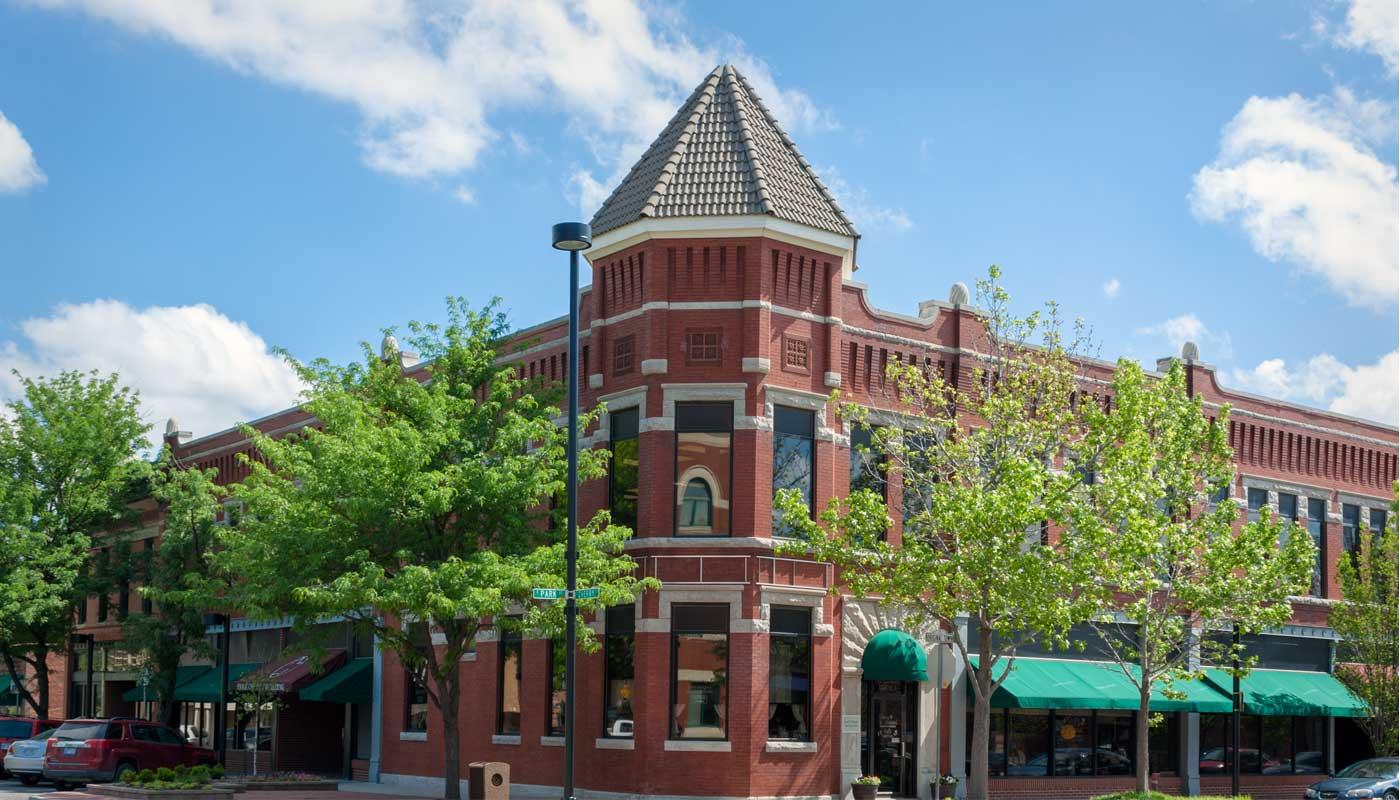
Buying, Selling, Moving and Living in Olathe, Kansas
Greg Weis, REALTOR® | Coldwell Banker Regan Realtors
Serving Olathe, Shawnee, Lenexa, De Soto, Western Johnson County, and the Greater Kansas City Metro Area since 2004.
About This Olathe Real Estate Guide
Located in Johnson County, Olathe is the county seat and one of the largest cities in Kansas, with an estimated population of more than 150,000 residents. Approximately 20 miles southwest of downtown Kansas City, Olathe offers a wide range of established neighborhoods, master-planned communities, new construction, parks, shopping, and employment opportunities.
Olathe appeals to buyers with different priorities, from those looking for established homes near Old Town to buyers interested in newer construction, larger homesites, golf-course communities, or maintenance-provided neighborhoods. Its location along I-35, K-7, and K-10 also provides connections to other communities throughout the Kansas City metropolitan area.
Whether you’re considering buying your first home, relocating to Johnson County, moving into a larger home, or selling a property in Olathe, understanding the local market and individual neighborhoods can help you make a more informed decision.
The following questions address what buyers, sellers, and relocating households commonly want to know about living in Olathe, Kansas, including neighborhoods, school districts, home prices, property taxes, new construction, and the local real estate market.
Living in Olathe, KS
1. Is Olathe, Kansas, a good place to live?
Olathe is a popular choice for people looking for a suburban community in the Kansas City metropolitan area. As the county seat of Johnson County, it offers a substantial range of housing options, established residential areas, newer master-planned communities, parks, recreational facilities, shopping, and local businesses.
The city has a population of more than 150,000 and provides access to major employment centers throughout Johnson County and the greater Kansas City area. Residents can find everything from traditional single-family homes and townhomes to custom-built properties, newer subdivisions, and homes with larger lots.
Olathe may be worth considering if you’re looking for convenient highway access, established community amenities, a variety of housing choices, and proximity to other Johnson County cities. As with any location, the right fit depends on your budget, preferred home style, commute, school preferences, and lifestyle.
2. What is it like to live in Olathe, KS?
Living in Olathe offers a suburban lifestyle with a mix of established neighborhoods, newer residential development, shopping areas, parks, and community activities. The city includes historic areas near downtown as well as newer development farther west and south.
Residents have access to grocery stores, restaurants, medical services, recreation facilities, community events, and a variety of local businesses. Lake Olathe, Black Bob Park, Heritage Park, and the city’s trail system provide outdoor recreation options.
Olathe also has access to major highways, including I-35, K-7, and K-10, making it possible to commute to other parts of Johnson County and the Kansas City metro area.
One of the city’s advantages for homebuyers is its variety. Buyers can compare different home styles, neighborhood settings, lot sizes, price ranges, and levels of neighborhood amenities without limiting their search to one type of community.
3. What are the best neighborhoods and communities in Olathe, KS?
The best neighborhood in Olathe depends on the type of home, setting, amenities, and price range you’re looking for. Olathe offers master-planned communities, golf-course neighborhoods, newer construction, maintenance-provided homes, and established residential areas.
Some communities and neighborhoods worth researching include:
Master-Planned and Amenity-Rich Communities
- Cedar Creek: A large master-planned community in western Olathe with several distinct neighborhoods, community amenities, lakes, trails, pools, and a range of home styles and homesite sizes.
- Hidden Lake Estates at Cedar Creek: An upscale Olathe community featuring wooded homesites, larger lots, custom homes, and convenient access to K-10, K-7, and the surrounding Johnson County area.
- Boulder Hills: A newer residential community with single-family homes, maintenance-provided villa options, a pool, pickleball court, playground, and access to nearby Heritage Park amenities.
- Prairie Farms: A western Olathe community near Lake Olathe, with neighborhood amenities that include a pool, cabana, play area, and walking trails.
- Woodland Hills: A residential community near Woodland Road and K-10, with newer homes, community trails, and a mix of available homesites and maintenance-provided options.
Golf-Course and Recreation-Oriented Communities
- Prairie Highlands: A residential community surrounding Prairie Highlands Golf Course, offering a setting near golf, Lake Olathe, and other outdoor amenities.
- The Greens at Prairie Highlands: A newer home community within the Prairie Highlands Golf Course area, with homesites that include golf-course views and access to nearby recreation.
Maintenance-Provided and Low-Maintenance Options
Some Olathe communities offer maintenance-provided homes or villa sections designed for buyers who prefer less exterior upkeep. Options include portions of Cedar Creek, the Enclave at Boulder Hills, and designated sections of Woodland Hills.
The specific services covered by an association vary. Buyers should review HOA fees, covenants, maintenance responsibilities, and reserve information before purchasing.
Newer Residential Communities
- Huntford: A newer Olathe community with homes built by area builders, including Inspired Homes.
- Heather Ridge South: A residential community in Olathe with newer construction and homes served by Spring Hill USD 230.
- Hilltop Farms and Canyon Ranch Villas: Additional Olathe communities with new-home offerings.
Established Neighborhoods and Central Olathe
Buyers interested in established residential areas may want to explore:
- Havencroft
- Wyncroft
- Persimmon Hill
- Frisco Lake
- Old Town Olathe and surrounding historic areas
These areas offer different home styles, ages, lot sizes, and locations within the city.
When comparing Olathe neighborhoods, consider the home’s condition, age, layout, lot, HOA requirements, property taxes, commute, and school district. A neighborhood name or mailing address alone does not establish a property’s school attendance area or municipal boundaries.
4. What school districts serve Olathe, Kansas?
Olathe Public Schools, USD 233, is the primary school district associated with Olathe. The district operates five high schools:
- Olathe East High School
- Olathe North High School
- Olathe Northwest High School
- Olathe South High School
- Olathe West High School
The broader Olathe area also includes properties served by other public school districts, including:
This is important for homebuyers: living in Olathe or having an Olathe mailing address does not automatically mean a property is assigned to Olathe USD 233. School attendance boundaries are determined by the property’s location, not simply the city name or ZIP code.
Olathe USD 233 is also working through a facility alignment and attendance-boundary process. As of November 2026, the district is reviewing potential boundary adjustments, with revised boundaries targeted for approval by January 2027. Families considering a move should confirm current and anticipated school assignments directly with the district.
For the most accurate information, search the property’s exact address through the Johnson County AIMS School Locator. Buyers should also contact the applicable school district to confirm assignments and ask about any pending changes.
5. Is Olathe, KS, a safe place to live?
Safety is an important consideration when choosing a home, but conditions can vary by neighborhood, street, and type of incident. Buyers should review available information for the specific area they are considering rather than relying on a citywide impression or general reputation.
The City of Olathe provides an online Crime Map and Blotter through the Olathe Police Department. The crime map allows users to review reported incidents by location, date, and type of offense.
The City notes that crime-map information is preliminary and subject to change. Its daily call blotter is intended for general information and should not be used as a substitute for statistical crime data.
When evaluating a particular property, consider reviewing the crime map, visiting the area at different times of day, examining street lighting and traffic patterns, and speaking with local residents when appropriate.
6. What is the cost of living in Olathe, Kansas?
The cost of living in Olathe depends largely on housing costs, property taxes, transportation, utilities, insurance, and personal spending habits. Buyers will find a broad range of home prices, from more modest established properties to newer construction, larger homes, and custom properties in master-planned communities.
Housing costs can vary substantially depending on the neighborhood, age and condition of the home, finished square footage, lot size, and amenities. Newer homes and properties in communities with pools, golf-course access, larger homesites, or maintenance-provided services may have additional costs.
Property taxes are another important part of the ownership budget in Olathe. Kansas assesses residential property at 11.5% of appraised value before applying the applicable local mill levies. The total tax bill depends on the property’s taxing jurisdictions.
Homeowners should also account for homeowners insurance, utilities, maintenance, HOA dues when applicable, and commuting expenses when comparing the overall cost of owning a home.
7. What are the best parks, attractions, and things to do in Olathe?
Olathe offers a variety of parks, trails, historical attractions, and recreational opportunities for residents and visitors.
Some popular places to explore include:
- Lake Olathe Park: A major outdoor destination on the west side of the city, featuring a 170-acre lake surrounded by 258 acres of park space. Amenities include a swim beach, marina, spray ground, playgrounds, disc golf, and event areas.
- Black Bob Park: An 80-acre community park with a destination playground, walking trail, fishing pond, sports fields, and other recreation amenities.
- Heritage Park: A Johnson County Park and Recreation District destination in Olathe with a lake, golf course, disc golf, athletic fields, picnic shelters, playgrounds, and a dog off-leash area.
- Mahaffie Stagecoach Stop & Farm: A historic site where visitors can learn about 1860s farming, frontier life, and stagecoach travel through exhibits and living-history activities.
- Ernie Miller Park & Nature Center: A nature destination with trails and outdoor education opportunities. As of November 2026, the nature center is closed to drop-in visitors for construction, while park trails remain open. Check the facility website for current access and program details.
- Kansas City Automotive Museum: Located at 15095 W. 116th Street in Olathe, the museum features automobiles, motorcycles, and displays highlighting automotive history.
- Indian Creek Trail and other local trails: Olathe maintains a network of paved multi-use trails and park trails for walking, running, and cycling.
- Old Town Olathe: The historic downtown area offers local businesses, restaurants, shopping, and community events.
These amenities provide a range of outdoor, cultural, and recreational activities without having to travel far from home. Park hours, events, and facility access can change, so check the appropriate city or county website before visiting.
8. How far is Olathe from downtown Kansas City, and what is the commute like?
Olathe is approximately 20 miles southwest of downtown Kansas City. Actual travel time depends on the starting point, destination, time of day, traffic, road construction, and weather.
Major routes serving Olathe include:
- I-35: A primary north-south route connecting Olathe with Lenexa, Overland Park, downtown Kansas City, and communities farther south.
- K-7: A major north-south route serving western Olathe and connecting to nearby communities.
- K-10: A regional route providing access toward Lawrence and other western Johnson County communities.
- US-56 and Santa Fe Street: Important east-west connections through Olathe.
- 119th Street, 135th Street, and 151st Street: Major local and regional corridors with shopping, services, and connections to surrounding communities.
For buyers who commute, it is helpful to compare the drive from the actual neighborhood to the workplace during the hours they expect to travel. Two homes within Olathe can have noticeably different commute routes and traffic conditions.
Olathe Home Prices & Real Estate Market
9. What is the average home price in Olathe, KS?
A useful way to understand Olathe home prices is to look at the median sale price of homes that have actually closed, rather than relying only on asking prices.
According to Heartland MLS closed-sale data distributed through MLS Grid, the median sale price in Olathe was $475,000 for the 12 months ending November 2, 2026. During that period:
- 2,323 homes sold.
- The median sale price was $475,000.
- The median price per square foot was $207.
- 68.4% of closed homes sold at or above their final asking price.
- The median sale-to-list price ratio was 100.0%.
These figures reflect closed residential sales over a 12-month period. They are not a prediction of what a particular home is worth.
Home prices can vary significantly by neighborhood, property condition, age, size, lot, construction type, and upgrades. A home in Hidden Lake Estates, for example, may appeal to a different buyer and price range than an established home near Old Town Olathe.
For a more specific estimate, compare recent closed sales of similar homes in the same neighborhood or competitive area.
10. How Is the Olathe Real Estate Market Doing?
The Olathe real estate market remains relatively stable, although conditions can vary depending on the neighborhood, price range, property type, and condition of the home.
According to Realtor.com’s October 2026 Olathe housing market report, the median sold home price was $450,775, down just 0.05% compared with October 2025. The median time on market was 51 days, a decrease of approximately 3.8% year over year and 10.5% from the previous month.
Realtor.com reported 901 active listings in Olathe, down 2.97% year over year but slightly higher than the previous month. The report characterized Olathe as a balanced market, indicating that overall housing supply and buyer demand were relatively even.
These citywide figures provide a useful overview, but they do not tell the entire story. Market conditions can differ significantly among neighborhoods, price ranges, and property types. Some homes may attract strong interest and sell quickly, while others may take longer depending on pricing, condition, location, and competition.
For buyers, a balanced market can provide opportunities to compare properties, evaluate pricing, and negotiate based on current conditions. For sellers, accurate pricing, effective presentation, and a marketing strategy tailored to competing homes remain important.
Market conditions can change with mortgage rates, available inventory, buyer demand, seasonality, and broader economic factors. Reviewing recent sales, pending transactions, and competing listings within a specific neighborhood or price range can provide a more meaningful picture when making a buying or selling decision.
11. Are Homes in Olathe Selling at or Above Asking Price?
According to Realtor.com’s October 2026 Olathe housing market report, homes sold for approximately 99% of their asking price on average. This indicates that homes were generally selling close to their asking prices during that reporting period, with the average sale price slightly below list price.
This citywide figure does not mean every home sold at or near asking price. Some properties sold above list price, while others sold below it. Results can vary depending on the neighborhood, property condition, initial pricing, marketing strategy, and competition from similar homes.
For buyers, the takeaway is that offering above asking price is not automatically necessary in Olathe. The appropriate offer depends on the individual property, how it is priced, its condition, and the level of competition from other buyers.
For sellers, the 99% sale-to-list ratio provides a useful benchmark, but it is not a guarantee of what a particular home will sell for. Pricing a property appropriately from the beginning and understanding how it compares with similar homes can help establish realistic expectations and a sound selling strategy.
12. Where can I find new construction homes in Olathe, KS?
Olathe has a variety of new construction communities, from larger master-planned neighborhoods to smaller subdivisions and custom-home opportunities.
Communities to research include:
- Cedar Creek: A master-planned community with several neighborhoods and home styles, including Valley Ridge, Hidden Lake Estates, The Estates at Canyon Oaks, The Meadows at Valley Ridge, and The Villas at Hidden Lake.
- Hidden Lake Estates at Cedar Creek: An upscale custom-home neighborhood with wooded settings and larger homesites.
- Boulder Hills: A newer community with single-family homes and maintenance-provided villa options.
- Woodland Hills: A community with new homes, available homesites, trails, and designated maintenance-provided sections.
- Prairie Farms: A western Olathe community near Lake Olathe with neighborhood amenities and newer homes.
- The Greens at Prairie Highlands: A newer home community within the Prairie Highlands Golf Course area.
- Huntford: An Olathe community with newer homes built by Inspired Homes.
- Heather Ridge South: A newer Olathe residential community with homes served by Spring Hill USD 230.
- Hilltop Farms and Canyon Ranch Villas: Additional Olathe communities with new-home offerings.
The availability of lots, builders, floor plans, completed homes, and incentives changes over time. Some communities may have only a limited number of homes or homesites remaining, while others may be opening new phases.
Buyers comparing new construction should look beyond the base price. Lot premiums, upgrades, landscaping, window coverings, appliances, HOA fees, property taxes, builder warranties, construction timelines, and contract terms can all affect the total cost.
Buying a Home in Olathe, KS
13. What should I consider when buying a home in Olathe?
When buying a home in Olathe, consider more than the listing price and the appearance of the property. The neighborhood, school district, property taxes, HOA requirements, commute, and future development can all affect the long-term ownership experience.
Some important questions to evaluate include:
- Location: How close is the home to work, shopping, medical services, parks, and major highways?
- School district: Which district and attendance area serve the exact property address? Are any boundary changes under consideration?
- Property taxes: What are the current taxes, and which taxing jurisdictions apply?
- HOA: Are there association fees, restrictions, maintenance responsibilities, or special assessments?
- Home condition: What is the age and condition of the roof, HVAC system, windows, plumbing, electrical components, and other major items?
- Future development: Are nearby areas likely to experience new construction, road improvements, commercial development, or other changes?
- Resale considerations: Does the home have features and a location that are likely to appeal to future buyers?
A thorough review of the property and surrounding area can help buyers make a more confident decision.
14. How do I buy my first home in Olathe, KS?
The first step for most first-time buyers is speaking with a mortgage lender to understand their financing options and establish a comfortable price range.
A typical home buying process includes:
- Review your finances: Evaluate income, savings, credit, monthly obligations, and the amount available for a down payment and closing costs.
- Speak with a lender: Discuss loan options, interest rates, estimated monthly payments, and mortgage pre-approval.
- Establish a home search: Identify preferred neighborhoods, home styles, price range, school district considerations, and must-have features.
- Tour homes: Compare available properties and evaluate condition, location, layout, and value.
- Submit an offer: Review comparable sales, market conditions, price, financing terms, contingencies, and closing timeline.
- Complete inspections and financing: Work through inspections, appraisal, underwriting, title work, and other contract requirements.
- Prepare for closing: Review final figures, complete the lender’s requirements, and conduct the final walk-through.
- Close and receive the keys: Complete the closing documents and take ownership of the property.
First-time buyers should also budget for expenses beyond the down payment, including inspections, appraisal, closing costs, prepaid taxes and insurance, moving expenses, and initial home maintenance.
15. How much do I need for a down payment to buy a home in Olathe?
The down payment required to purchase a home in Olathe depends on the type of mortgage, lender requirements, credit profile, loan amount, and buyer eligibility.
Some common financing options include:
- Conventional loans: Certain conventional loan programs allow qualified buyers to purchase with as little as 3% down.
- FHA loans: Eligible borrowers may qualify for an FHA mortgage with a minimum down payment of 3.5%.
- VA loans: Eligible veterans, service members, and certain surviving spouses may qualify for VA financing with no down payment requirement.
A larger down payment can reduce the amount borrowed and may affect the monthly payment, mortgage insurance requirements, and overall loan costs. However, the best option depends on the buyer’s individual circumstances.
Buyers should discuss current loan requirements, eligibility, interest rates, mortgage insurance, and available programs with a qualified lender before deciding how much to put down.
16. Are there first-time homebuyer assistance programs available in Olathe, Kansas?
Homebuyer assistance programs can change, and eligibility often depends on household income, purchase price, location, and other requirements.
One important detail for Johnson County buyers is that the Kansas Housing Resources Corporation’s statewide First Time Homebuyer program does not operate in Johnson County. The program’s website explains that Johnson County administers its own federal HOME funds, which may or may not be allocated for first-time homebuyer assistance.
Olathe also has a separate Property Tax Rebate Program for income-qualified households and qualifying veterans and military members. This is a property-tax assistance program, not a down payment assistance program. The City reports that its 2026 application period is closed and that information about the 2027 program will be posted when available.
For current information, review the Kansas Housing Resources Corporation and the City of Olathe Property Tax Rebate Program. Buyers should also ask their lender whether any current local, employer-sponsored, or mortgage-specific assistance programs may apply to their situation.
17. How much are closing costs when buying a home in Olathe?
Closing costs vary depending on the purchase price, loan type, lender, title company, prepaid expenses, and terms negotiated in the purchase contract.
As a general planning estimate, buyers often budget approximately 2% to 5% of the purchase price for closing costs, separate from the down payment. Actual costs may fall outside that range depending on the transaction.
Common buyer expenses may include:
- Loan origination and lender fees
- Appraisal and credit report fees
- Title services and title insurance
- Recording fees
- Home inspection costs
- Prepaid homeowners insurance
- Prepaid property taxes and escrow deposits
- Other lender-required or transaction-related costs
Some closing expenses may be negotiated between the buyer and seller as part of the offer, subject to lender and loan-program requirements. A lender and title company can provide a more accurate estimate for a specific transaction.
18. How much are property taxes in Olathe, Kansas?
Property taxes in Olathe depend on the property’s appraised value, its assessed value, and the combined mill levies of the taxing jurisdictions that apply to the property.
Kansas residential property is assessed at 11.5% of its appraised value. This is the assessment percentage, not the property tax rate.
For example, a home appraised at $400,000 would have an assessed value of $46,000 before any applicable exemptions or adjustments.
Property taxes are then calculated by applying the combined mill levy to the assessed value. One mill equals $1 in tax for every $1,000 of assessed value.
For 2026, the City of Olathe’s mill levy is 23.317 mills. The City reports that it receives approximately 20% of a Johnson County resident’s overall property tax bill. The remaining property taxes support other applicable taxing jurisdictions, which can include the school district, Johnson County, Johnson County Community College, and other entities.
Using the $400,000 example, the City of Olathe portion at 23.317 mills would be approximately $1,073 annually. This is only the City portion, not the full property tax bill.
Actual taxes vary by property and taxing district. Buyers should review the property’s current tax record and obtain an estimate based on the specific address and anticipated purchase price.
Helpful resources include the City of Olathe Taxes & Fees page, the Johnson County Treasury, Taxation & Vehicles Department, and the Johnson County property search.
Selling a Home in Olathe, KS
19. How Long Does It Take to Sell a Home in Olathe, KS?
The time it takes to sell a home in Olathe depends on the property’s price, condition, location, presentation, and competition from other homes on the market.
According to Realtor.com’s October 2026 Olathe housing market report, homes had a median of 51 days on market. This was a decrease of approximately 10.5% from September and 3.8% compared with October 2025. This citywide median provides a general indication of how long listings remained on the market before closing or being taken off the market. It is not a guarantee of how long an individual property will take to sell.
Some well-priced homes in desirable locations may attract interest quickly, while properties that need updates, have limited buyer appeal, or are priced above comparable homes may take longer.
The best way to estimate how long a particular home may take to sell is to review recent comparable sales, competing active listings, pending properties, and current buyer demand in the home’s specific neighborhood and price range.
20. How do I determine what my Olathe home is worth before selling?
The most useful starting point is a comparative market analysis, often called a CMA. A CMA evaluates recent closed sales, current competition, pending sales when available, and the features and condition of the home.
A well-prepared CMA should consider:
- Recent sales of similar homes in the same neighborhood or competitive area
- Current active listings that buyers may consider instead
- Pending sales that can provide insight into current demand
- Square footage, bedroom and bathroom count, layout, and lot size
- Age and condition of major systems and components
- Kitchen, bathroom, flooring, and other updates
- Garage, basement, outdoor living space, and other features
- Current market conditions and the likely buyer pool
Online home-value estimates can provide a general starting point, but they may not account for the home’s condition, improvements, layout, or differences between nearby neighborhoods.
Pricing is one of the most important decisions when preparing to sell. A price that reflects current market conditions can help attract qualified buyers, generate interest, and position the home competitively.
Greg Weis, REALTOR® with Coldwell Banker Regan Realtors, has helped buyers and sellers throughout Olathe and Johnson County since 2004. A thoughtful pricing strategy begins with understanding the property, reviewing the competition, and evaluating the most relevant market data.
The following resources can help buyers, sellers, and relocating households research Olathe neighborhoods, schools, parks, property taxes, new construction, and local services.
City Information, Community & Economic Development
- City of Olathe — Official city information, services, departments, news, and community resources.
- About Olathe — City overview, location, population, and community facts.
- Olathe Chamber of Commerce — Local business and community information.
- Olathe Economic Development — Information about business, development, and the local economy.
- Olathe Planning and Development — Planning, zoning, development, and land-use information.
Schools & School District Information
- Olathe Public Schools USD 233 — District information, school resources, and enrollment details.
- Olathe School Directory — School locations and high school information.
- Olathe School Boundaries and Consolidations — Current district facility alignment and boundary information.
- Johnson County AIMS School Locator — Search school attendance areas by property address.
- Blue Valley USD 229 — School district information.
- De Soto USD 232 — School district information.
- Spring Hill USD 230 — School district information.
Police, Parks & Recreation
- Olathe Police Department — Police services and public safety information.
- Olathe Crime Map & Blotter — Review reported incidents and calls for service.
- Olathe Parks, Trails & Bike Lanes — City parks, trails, and recreational facilities.
- Lake Olathe Park — Lake, marina, swim beach, and park amenities.
- Black Bob Park — Playground, walking trail, sports fields, and other amenities.
- Heritage Park — Johnson County park facilities and recreation.
- Ernie Miller Park & Nature Center — Park trails, nature programs, and facility updates.
- Mahaffie Stagecoach Stop & Farm — Olathe historical attraction and living-history programs.
- Kansas City Automotive Museum — Automotive exhibits and local history.
Olathe Neighborhoods and New Construction
Exploring Olathe neighborhoods or considering a new construction home? The communities below provide a starting point for researching local neighborhoods, builders, available homes, and community amenities. These external websites are provided as additional resources to help you learn more about each community and its housing options. Their inclusion does not imply an affiliation with or endorsement of any particular builder or developer.
- Cedar Creek — Master-planned Olathe community with several distinct neighborhoods and home styles.
- Hidden Lake Estates at Cedar Creek — Upscale custom-home community with wooded homesites.
- Boulder Hills — Newer homes and maintenance-provided villa options.
- Woodland Hills — Olathe new-home community with trails and multiple home options.
- Prairie Farms — Western Olathe community near Lake Olathe.
- The Greens at Prairie Highlands — New construction in the Prairie Highlands Golf Course area.
- Huntford — Olathe new-home options from Inspired Homes.
- Heather Ridge South — Newer residential community in Olathe.
Community features, builder participation, pricing, available homes, and development plans can change over time. Builder registration policies also vary, so it can be helpful to understand your representation options before taking the next step.
Considering a Home in One of These Olathe Communities?
Whether you’re exploring an established neighborhood, comparing new construction communities, or considering a home that is already available, having knowledgeable buyer representation can make a difference.
Before registering with a builder, submitting an inquiry, or visiting a model home, contact Greg Weis, REALTOR® with Coldwell Banker Regan Realtors. Understanding the builder’s registration requirements and your representation options beforehand can help protect your ability to have your own agent involved in the purchase.
Greg can help you compare communities, evaluate available homes, understand builder options and purchase terms, and navigate the process from the initial search through closing.
As a solo agent, Greg works directly with every client, providing personalized guidance and straightforward advice from the initial conversation through closing, not a handoff to a large team.
Interested in a particular Olathe neighborhood or new construction community? Contact Greg Weis to discuss your options.
Property Taxes, Homeownership & Market Information
- City of Olathe Taxes & Fees — Property tax and city tax information.
- Olathe Property Tax Rebate Program — Program information and future application updates.
- Johnson County Treasury, Taxation & Vehicles — Property tax payment and assessment resources.
- Johnson County Property Search — Property records and parcel information.
- Kansas Housing Resources Corporation — First-time homebuyer program information and eligibility.
- Olathe Market Snapshot — Realtor.com — Listing-market and sold-market indicators.
Explore More Kansas City Area Real Estate FAQs
Considering other communities in Johnson County or the Kansas City metro area? These city-specific guides provide additional information about local neighborhoods, home prices, schools, and real estate conditions.
Work With an Experienced Olathe, KS REALTOR®
Buying or selling a home is an important financial decision. Local knowledge, thoughtful pricing, skilled negotiation, and responsive communication can make a meaningful difference throughout the process.
Greg Weis is a REALTOR® with Coldwell Banker Regan Realtors who has helped buyers and sellers in Olathe, Shawnee, Lenexa, De Soto, Western Johnson County, and the Greater Kansas City Metro Area since 2004. With more than 548 homes sold, his experience includes first-time buyers, move-up buyers, home sellers, relocation clients, new construction, acreage properties, and homes that need updating.
As a solo agent, Greg works directly with every client from the initial conversation through closing. Clients receive personalized attention, straightforward advice, and responsive guidance throughout the process, not a handoff to a large team.
Whether you’re exploring Olathe neighborhoods, comparing new construction, preparing to sell, or planning a move to Johnson County, a conversation can help clarify your options and next steps.
Greg Weis, REALTOR®
Coldwell Banker Regan Realtors
Email: gweis@cbregan.com
Website: www.gregweis.com
Serving Olathe and Western Johnson County real estate clients since 2004.
Last Reviewed: November 3, 2026
